
 Accessories




ThrowMAX Flexible Arm Brace – Throwing Trainer for Baseball and Softball
$49.95
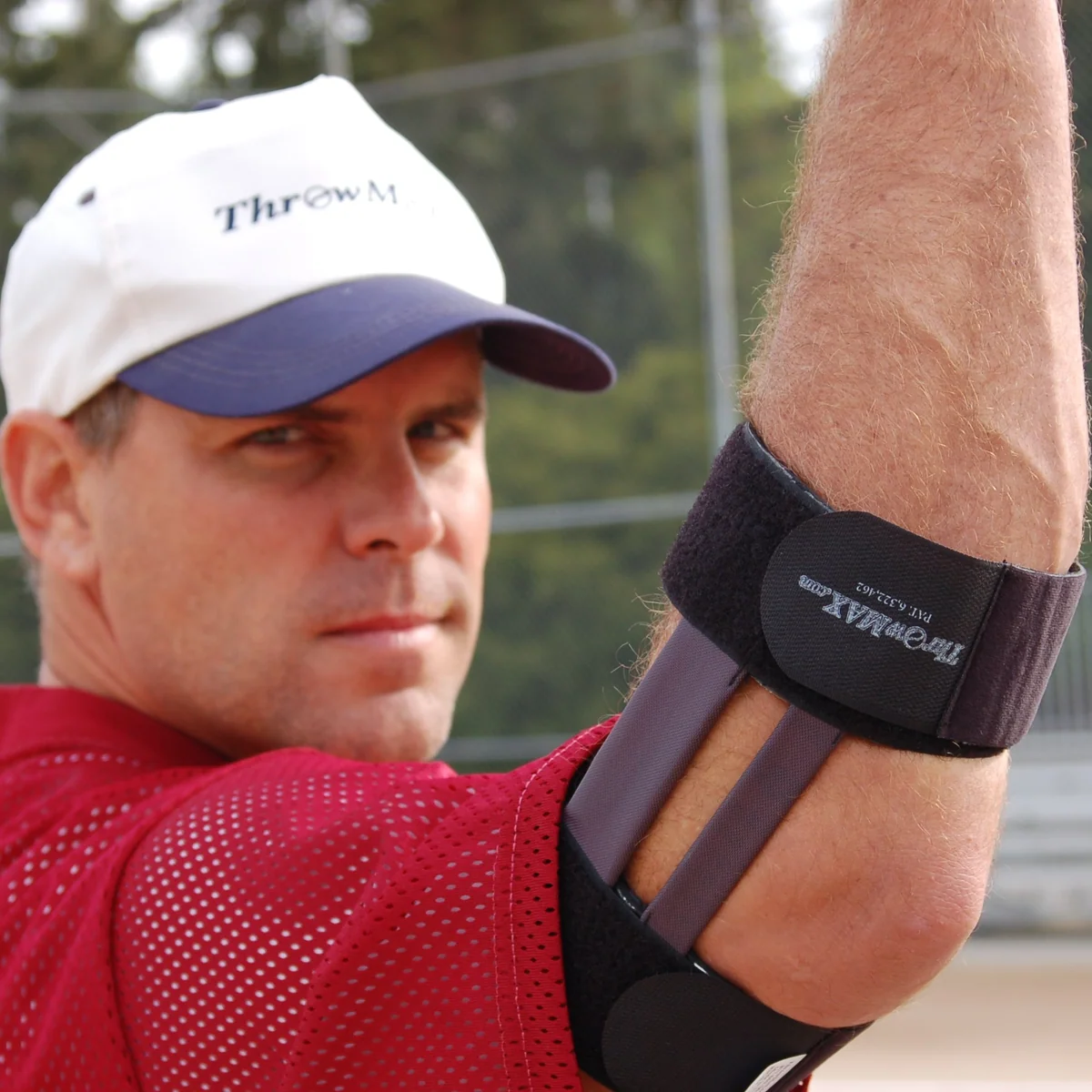
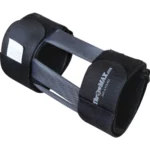
The ThrowMAX Flexible Arm Brace is a throwing trainer that teaches baseball and softball players to keep the elbow up. It straps onto the throwing arm around the elbow, and three flexible polycarbonate bars stop the arm from folding much past 90 degrees. To throw…
| Throwing Arm | Right Hand Throw, Left Hand Throw |
|---|---|
| Size | X-Small (up to 4’7″), Small (4’8″ to 5’2″), Medium (5’3″ to 5’8″), Large (5’9″ and taller) |
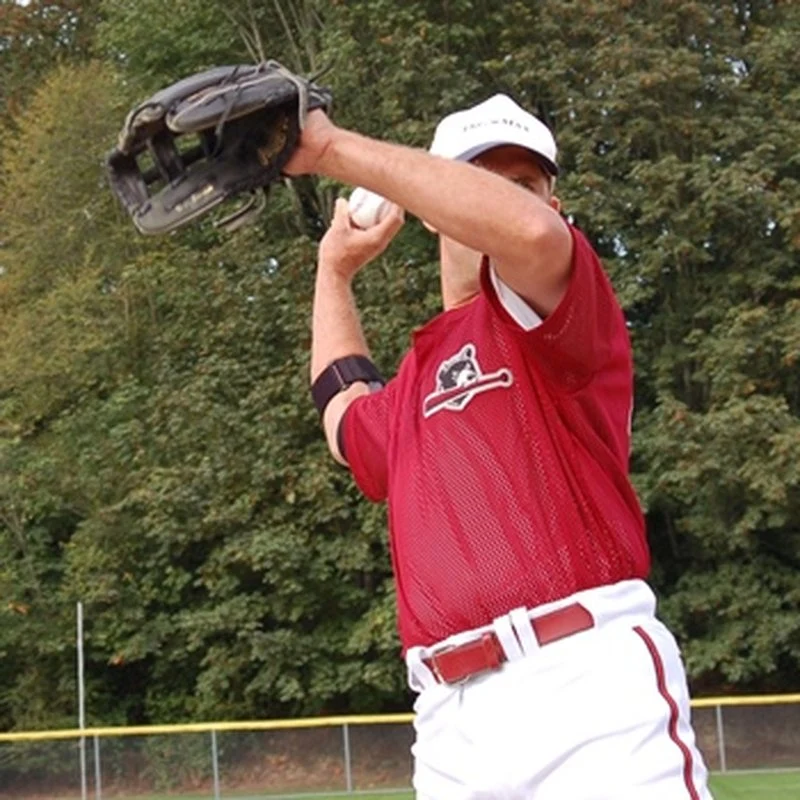
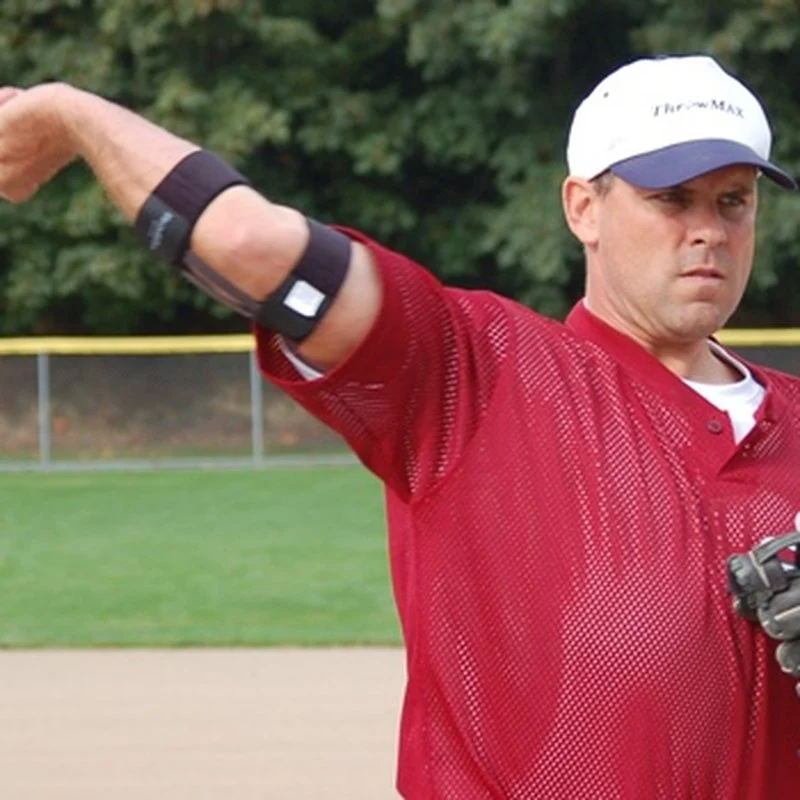
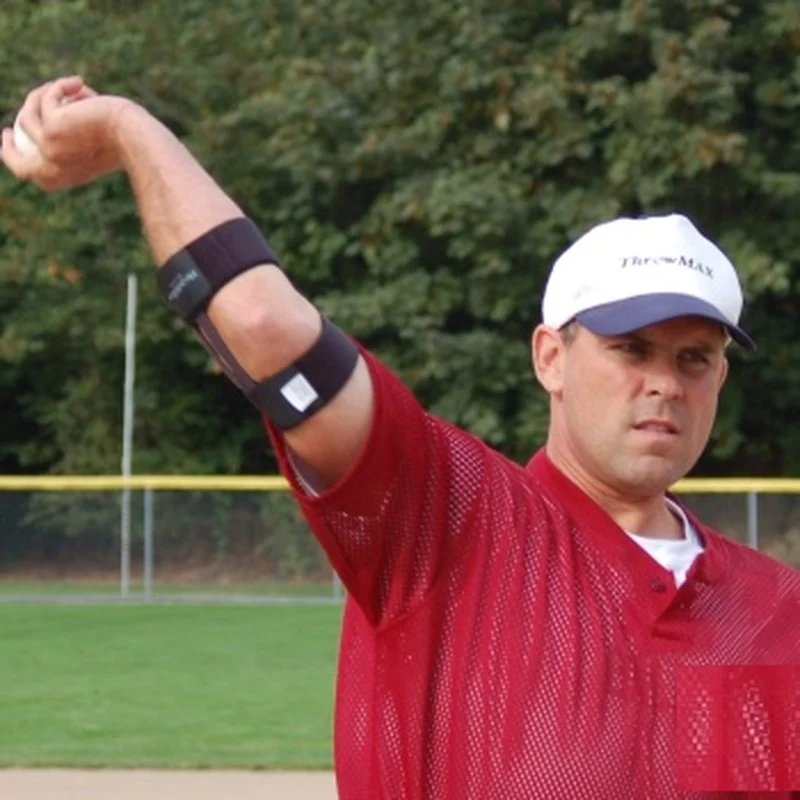
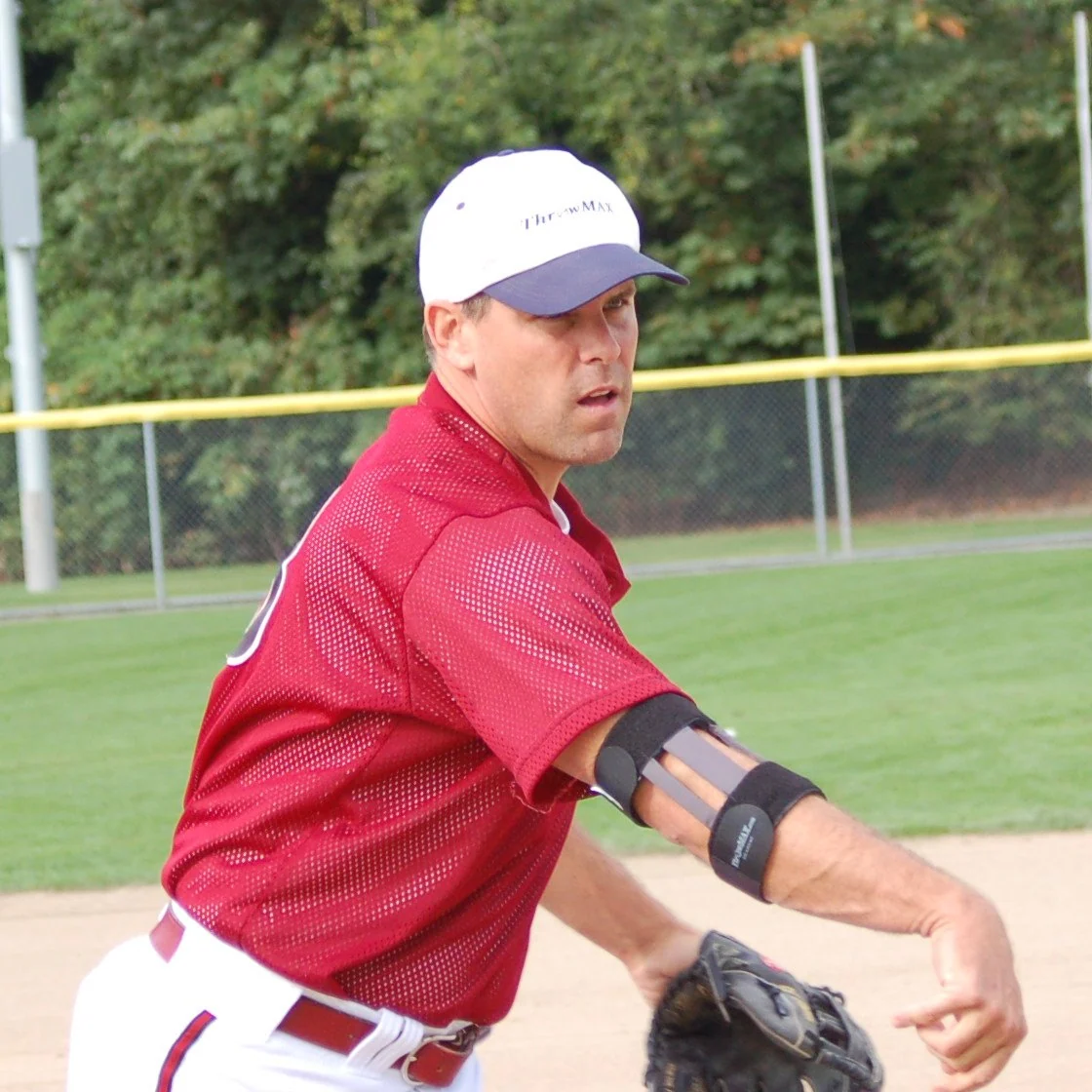
The ThrowMAX Flexible Arm Brace is a throwing trainer that teaches baseball and softball players to keep the elbow up. It straps onto the throwing arm around the elbow, and three flexible polycarbonate bars stop the arm from folding much past 90 degrees. To throw at all with the brace on, a player has to lift the elbow to shoulder height or higher, which puts the arm in the high-cocked position coaches spend years asking for. Players feel the correct arm slot on every rep instead of hearing about it after the throw, and that repeated feel is what builds muscle memory. It comes in four sizes by height, for right- or left-handed throwers, from youth players through adults.
How the ThrowMAX Flexible Arm Brace Works
Players learn by seeing, hearing and feeling, and throwing mechanics are hard to teach because the feeling part is missing: a coach can walk a player’s arm through the motion, and the old habit comes right back on the next real throw. The ThrowMAX fills that gap with instant physical feedback. The brace is a lightweight sleeve held on by two hook-and-loop straps, one above the elbow and one below, with three flexible bars running between them. When the arm moves correctly the bars barely register. When a player tries to drop the elbow or short-arm the ball, the bars push back, and the player feels pressure on the bicep, the inside of the forearm and the back of the arm. The body responds by raising the arm back into the proper slot.
The brace works on the elbow, not the shoulder. The shoulder joint still rotates freely back and forth, so a player gets full external rotation and a natural, fluid motion. What the brace takes away is the inside-out path and the collapsed elbow that bad throws are built on.
Keeps the Elbow Up on Every Overhand Throw
Most poor overhand throws come from four habits, and the ThrowMAX makes each one uncomfortable:
- Dropping the elbow: the arm sags below the shoulder and the ball comes out flat, with little power or accuracy behind it.
- Leading with the elbow: the elbow drags far ahead of the forearm, which puts heavy strain on the elbow and shoulder.
- Wrapping: the arm swings behind the head, then comes around the side of the body, pulling the player off balance.
- Shot-put or pie throwing: common with catchers, the ball is pushed with the arm alone instead of thrown with the body.
Fixing the arm slot also fixes the ball. When a player wraps or slings, the fingers slide to the side of the ball at release and every throw picks up a tail, an unintentional slider the player usually does not know they are throwing. With the elbow up and the arm on the correct path, the fingers stay on top of the ball, the throw gets true backspin and it carries straighter and longer. Because the arm can no longer do all the work, players also learn to drive the throw with the body.
Coaches get a bonus: wearing the ThrowMAX to throw batting practice forces a full motion on every pitch, so a tired arm cannot start dropping the elbow late in a long session.
Fastpitch Pitching: Wrist Snap Without the Chicken Wing
With a quick adjustment, the same brace becomes a fastpitch softball pitching aid. The ThrowMAX was originally designed for overhand throwing; fastpitch coach Cindy Bristow, then head coach of the Florida Wahoos in the Women’s Professional Softball League, was the one who found it helped her pitchers feel what the arm and wrist should do on the rise ball and drop ball. On the underhand motion the brace stops the chicken wing, the bent elbow before release and the arm curling up and in on the follow-through. With those shortcuts gone, the wrist has to do the work, and a hard wrist snap is what puts spin and movement on the pitch. Pitchers commonly use it on the rise, drop, circle change and screwball. Pair it with the Xelerator Fastpitch Softball Pitching Trainer for a complete wrist-snap routine.
Who This Baseball Throwing Trainer Is For
The ThrowMAX is built for any baseball player whose throw needs to be rebuilt, and for the coaches and parents doing the rebuilding:
- Youth players learning to throw for the first time, so the right arm slot becomes the natural one from the start.
- Infielders who drop the elbow on quick throws across the diamond.
- Outfielders and pitchers who wrap the arm behind the head.
- Catchers who short-arm throws to second base.
- Fastpitch pitchers working on wrist snap and a clean windmill.
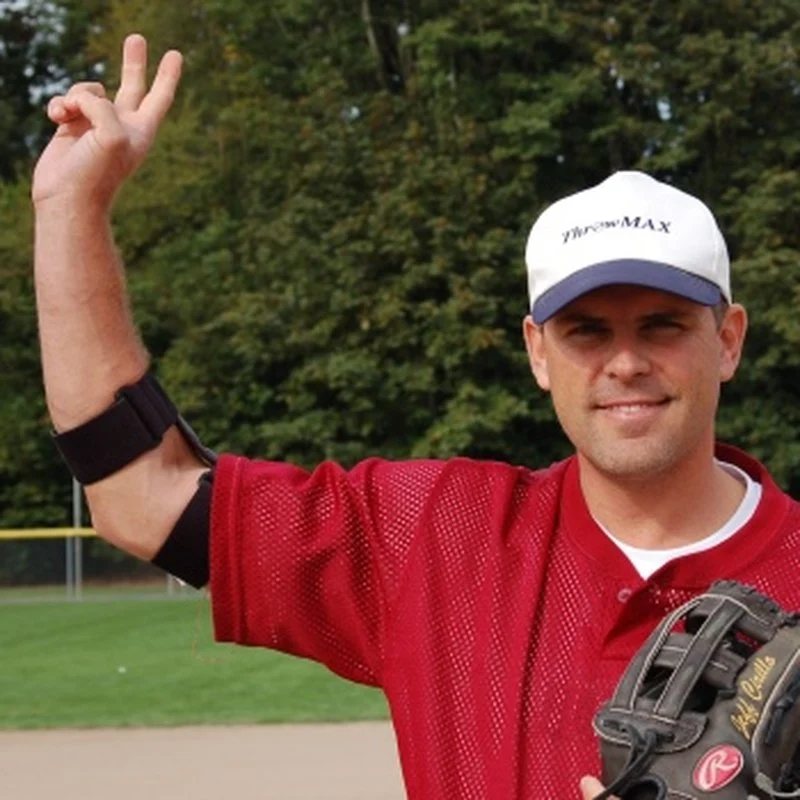
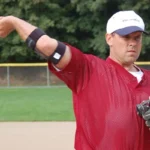
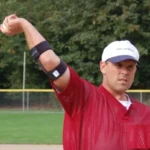
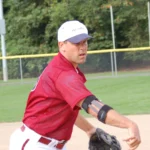
Organizations that have used the ThrowMAX include DiamonD Sports Academy, a year-round indoor baseball and softball facility in Illinois; the California Waves 18U Gold fastpitch team; Rantoul Township High School softball in Illinois; K.C. Indians Baseball in Kansas City; and the Wind Pitch School in Austin, Texas. At Indiana State, head softball coach Tom Rupert had a right fielder recovering from a shoulder injury wear the brace on her left arm, and she threw left-handed with it through her senior season on her way to second team All-Conference. Former Major League infielder Jeff Cirillo demonstrates the throwing phases in the brace in the photos on this page.
How to Put On the ThrowMAX
For overhand throwing:
- Loop the straps through the buckles and slide the brace up the throwing arm. The small, thin bar goes on the outside of the arm.
- Position the brace so the small, thin bar sits just above the point of the elbow. Every arm is different, so expect to adjust it a little.
- Check the fit. When the brace is on correctly, the wide bar in the crease on the inside of the arm is the only one that flexes, and the other two stay straight to stabilize it.
For fastpitch pitching, loosen the straps and rotate the brace so the middle bar hovers just above the middle of the crease of the arm, on the side opposite the elbow, without actually touching the skin. Tighten the straps and pitch.
Watch the how-to video on this page to see the fit step by step.
Getting Started Safely
The brace asks the arm to move in a new way, so ease into it. Warm up with the ThrowMAX on even if the player has already been throwing, and do not throw at full effort until the muscles adjust to the new motion. Expect accuracy to dip for the first few sessions while the player finds a new release point; that is normal and it comes back as the new motion settles in. Straps should be snug, never tight enough to restrict blood flow. If the arm starts to feel numb, loosen them. If the arm hurts, stop throwing, take the brace off and tell a coach or parent. The ThrowMAX is made for throwing a baseball or softball only, so take it off for anything else, including riding a bike or sleeping.
The brace does the most good alongside a coach who can watch the throw. For a complete throwing program, add arm-care and strength work with the Arm Strong Complete Pitching and Throwing Trainer, a set of Frozen Ropes Weighted Baseballs or the G Tee Arm Bar, and browse more pitching training aids.
Choosing the Right Size and Throwing Arm
Size the ThrowMAX by the player’s height:
- X-Small: up to 4’7″
- Small: 4’8″ to 5’2″
- Medium: 5’3″ to 5’8″
- Large: 5’9″ and taller
The brace is built for one arm, so order the side the player throws with: Right Hand Throw for a right-handed thrower, Left Hand Throw for a left-handed thrower. There is one ThrowMAX for each size, and the same brace works for both baseball and softball. Overhand throwers and fastpitch pitchers simply wear it in a different position, as shown in the fitting steps above.
ThrowMAX Flexible Arm Brace Specifications
- Type: flexible elbow brace for throwing mechanics training
- Sport: baseball and softball – one brace for both (overhand throwing and fastpitch pitching)
- Construction: lightweight nylon sleeve with three flexible polycarbonate bars and foam rubber padding
- Closure: two hook-and-loop straps, above and below the elbow
- Elbow range: stops the elbow from bending much past 90 degrees
- Sizes: X-Small (up to 4’7″), Small (4’8″ to 5’2″), Medium (5’3″ to 5’8″), Large (5’9″ and taller)
- Throwing arm: Right Hand Throw or Left Hand Throw
- Sold as: one brace
- Weight: about 1.6 oz (Small size)
- Dimensions: 7 x 6.4 x 1.4 inches (Small size)
- Care: hand wash only
- Design: invented by Tim Kafer, U.S. Patent 6,322,462
Frequently Asked Questions
How is the ThrowMAX different from a regular elbow sleeve or brace?
A compression sleeve or medical elbow brace supports the joint. The ThrowMAX is a training aid: its bars push back only when the arm moves incorrectly, so it teaches a movement pattern instead of padding or supporting the elbow.
How long does it take to see a difference?
Most players feel the correct arm slot on the first throws with the brace on. Turning that feel into a habit takes repetition, so plan on regular sessions with the brace, then check the throw with it off to see how much has carried over.
Is there a separate softball version?
No. The same ThrowMAX works for baseball and softball. For overhand throwing, the small, thin bar sits just above the point of the elbow; for fastpitch pitching, the brace is rotated so the middle bar hovers over the crease of the arm. Order by throwing arm and height only.
Can a player wear it in a game?
It is designed for practice, warm-ups and throwing sessions. Check your league’s equipment rules before wearing any brace in a game.
Will it stop arm injuries?
The ThrowMAX is a mechanics trainer, not a medical device. It discourages the dropped-elbow and short-arm motions that put extra strain on the elbow and shoulder, but it does not treat or prevent injury on its own. A player with a sore or injured arm should see a doctor before throwing.


Related products














Reviews
There are no reviews yet.